Most visitors have three or four days in Madinah and a long list of places they have heard about. The list is rarely the problem. The problem is that the places are usually described one at a time, with nothing connecting them, so the visit turns into a series of stops rather than a picture of the city.
Start with the shape of the city
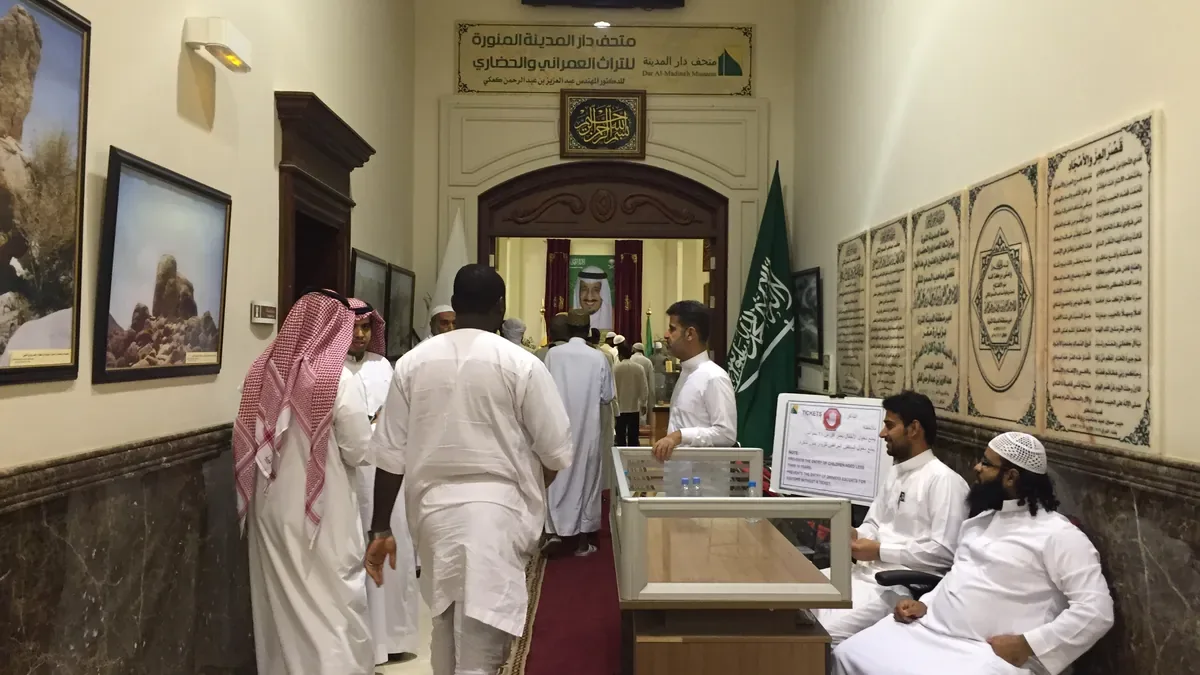
Madinah sits in a broad valley, bounded by mountains and by hard volcanic plains on more than one side. Those boundaries decided where people settled, where the routes ran and how the city could be approached. Before visiting anything, it helps to see that shape — from a viewpoint, from a map, or from a museum model.
Once you can picture it, the sites stop feeling scattered. The northern side, the southern approach and the central area each start to mean something.
A sensible order for a short visit
- Day one: the central area on foot, to get oriented and to understand how the district around the Prophet's Mosque developed.
- Day two: a broader historical route covering the main Sirah locations in the order the events happened.
- Day three: whichever direction interested you most — the northern sites, the museums, or a longer trip out of the city.
What to expect at the sites
Most historical locations in Madinah are visited from designated areas rather than entered freely. Modest clothing is expected everywhere. Prayer times affect access and crowd levels, and a guide will plan around them.
The single most useful thing a guide does is explain why a place is where it is. After that, the history holds together on its own.
Timing
From late spring through to early autumn the middle of the day is genuinely hot, and the open sites are exposed. The Fajer slot and the evening slot are noticeably more comfortable, and quieter as well.